Palmetto Psychology Clinic

Online therapy · all of California

Postpartum anxiety therapy

The checking, the racing thoughts, the feeling that something terrible is about to happen.

Book an appointment
Postpartum anxiety — online therapy across California with Palmetto Psychology Clinic.

When your mind won’t slow down, even when everything seems “fine.”

Maybe you can’t stop checking on your baby.

Maybe you’re having scary thoughts about them.

Maybe your mind jumps to worst-case scenarios all day.

Maybe you’re constantly Googling, researching, tracking, or second-guessing your decisions in a desperate effort to feel more certain, calm, or “in control.”

And when people tell you everything is okay (or even when you know it yourself), your body doesn’t believe it.

If this sounds familiar, you may be experiencing postpartum anxiety (PPA).

At Palmetto Psychology Clinic, we provide specialized online therapy for postpartum anxiety across California.

We specialize in helping new moms quiet the mental noise and feel more grounded, present, and like themselves again so that they stop surviving and start truly enjoying this sweet season.

We’ve helped hundreds of California moms with PPA.

If this resonates, you’re not alone, and we can help.

What Postpartum Anxiety Actually Looks Like

Postpartum anxiety (PPA) doesn’t always look obvious from the outside.

Many women experiencing PPA are high functioning, responsible, and “on top of things,” so from the outside, they look like they’re thriving. But internally, it can feel exhausting. You might:

  • Constantly overthink or replay your decisions
  • Feel unable to relax, even when your baby is sleeping
  • Wake up with a racing heart or knot in your stomach
  • Spiral with “what if” thoughts throughout the day
  • Check on your baby repeatedly for reassurance
  • Feel intense anxiety when someone else watches your baby
  • Track feeding, sleep, pumping, or milestones obsessively
  • Google symptoms, consult AI, or message your pediatrician constantly
  • Feel irritable, short-tempered, or emotionally overwhelmed
  • Struggle to trust yourself or your decisions

Many moms who struggle with these things tell us: “I know I’m being irrational, but I can’t stop.”

And that’s exactly what makes postpartum anxiety feel so isolating.

Why Postpartum Anxiety Feels So Intense

Becoming a parent comes with an enormous shift in responsibility, identity, hormones, sleep, and routine. Your brain is suddenly wired to protect something you love deeply, and for many women, that protective instinct gets stuck in overdrive.

Postpartum anxiety can show up as:

  • Constant worry and racing thoughts
  • Always staying alert and preparing for potential problems
  • Scary intrusive thoughts
  • Difficulty tolerating the unpredictability and lack of routine that can come with postpartum
  • Physical sensations like racing heart, chest tightness, nausea or loss of appetite.
  • Irritability, relationship tension, or rage
  • A deep desire to be “in control” yet feeling out of control
  • Difficulty falling or staying asleep

And often, it doesn’t look the way people expect anxiety to look. Many women don’t realize they’re experiencing postpartum anxiety because they assume:

  • “I’m just a cautious mom.”
  • “This is normal new mom stress.”
  • “I should be able to handle this.”
  • “Tracking everything makes me more in control.”

But living in a constant state of fear, tension, or mental spiraling isn’t something you have to keep pushing through.

What Therapy for Postpartum Anxiety Looks Like

Therapy for postpartum anxiety is not about telling you to “just relax.” It is about recognizing that behaviors you think are helping may actually be making your anxiety worse in the long-term.

At Palmetto, we help you understand how anxiety is operating in your mind and body while giving you practical, evidence-based tools to interrupt the cycle.

In therapy, we may work on:

  • Understanding anxiety and intrusive thoughts
  • Reducing overthinking and mental spiraling
  • Learning how to tolerate uncertainty
  • Getting more comfortable with letting go of control
  • Managing physical anxiety symptoms
  • Rebuilding trust in yourself and your decisions
  • Helping you spend more time in the present (instead of the future)
  • Creating more space for rest, connection, and fun

Our approach is compassionate, collaborative, and tailored to your unique experience. We know how vulnerable it can feel to talk about these thoughts and fears, and we also know how treatable postpartum anxiety is with the right support. Our goal is not that your anxiety is entirely eliminated. It’s that your values and wisdom, not your fears, drive your behaviors.

At the end of therapy, our clients often tell us that their anxiety has reduced, and that even when anxiety does pop up, they know how to catch it so it doesn’t get in the way of living their lives the way they want to. They tell us they have more room for positive emotions, feel more present, and that life feels fuller and more meaningful as a result.


Support for postpartum anxiety, online, anywhere in California.
Online, from wherever you are Sessions happen at home, in a parked car, on the nursery floor. Babies are welcome on screen.

Who you'd work with

These clinicians work with this specifically. Not sure who to pick? Start with Anni and let her match you.

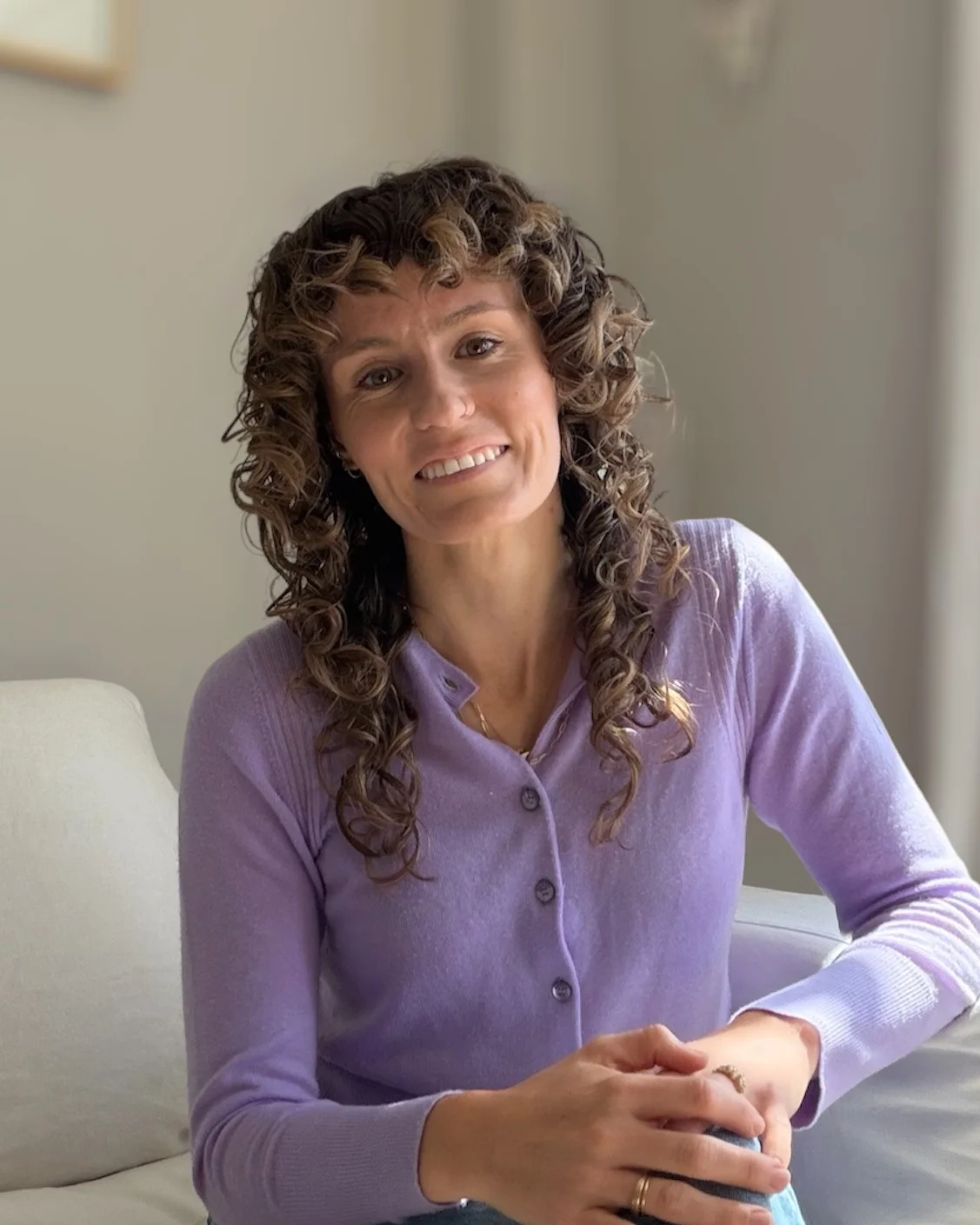
Kelly Showen, Psy.D., licensed psychologist at Palmetto Psychology.

Kelly Showen, Psy.D.

Licensed Clinical Psychologist · PSY35288
Perinatal mental health · Anxiety & Obsessive-Compulsive Disorders

Limited availability

Meghan Brown, M.S., student therapist at Palmetto Psychology.

Meghan Brown, M.S.

Student Therapist
Family planning decisions · Couples therapy

Waitlist

Kaety Kohlhorst, student therapist at Palmetto Psychology.

Kaety Kohlhorst

Student Therapist
Perinatal mental health · Navigating life transitions

Waitlist

Ariana Esfahani, M.S., student therapist at Palmetto Psychology.

Ariana Esfahani, M.S.

Student Therapist
Perinatal anxiety and depression · Trauma

Accepting new clients

Ayala Tzadikario, student therapist at Palmetto Psychology.

Ayala Tzadikario

Student Therapist
Perinatal anxiety and depression · Relationship concerns

Accepting new clients

Questions about postpartum anxiety

Is this postpartum anxiety or just normal new mom worry?

Some level of worry is normal after having a baby. It’s a big transition, and everything is brand new - of course it feels like a lot! But when the anxiety feels constant, overwhelming, difficult to control, or starts interfering with sleep, decision-making, relationships, or your ability to be present, postpartum anxiety may be part of what’s going on.

Why can't I stop worrying about my baby?

The postpartum brain is wired to protect your baby, so your mind naturally spends a lot of time thinking about their safety and well-being. Postpartum anxiety often pulls people one step further into cycles of “what if” thinking that temporarily feel protective, but actually keep anxiety going. Therapy can help you understand these patterns and learn how to step out of them.

Why can't I sleep even when the baby sleeps?

Many women with postpartum anxiety feel physically exhausted but mentally unable to shut off. Your nervous system may still feel “on alert,” making it difficult to fully relax or fall asleep. Or maybe your mind is racing with worries and questions, and you end up Googling for answers instead of resting. In therapy, we can help you learn new strategies to unwind and cope more effectively with your busy mind so you can get the rest you need.

Why am I having scary thoughts about my baby?

Intrusive thoughts are extremely common in postpartum anxiety and postpartum OCD. These thoughts are unwanted, distressing, and often directly conflict with your values, which is why they feel so upsetting. Having intrusive thoughts does not mean you want something bad to happen, and we can help you learn how to cope with them so they stop interfering with your enjoyment of this phase.

Why do I keep checking on my baby over and over?

Checking behaviors (like nonstop monitor watching, tracking baby wearable data, or tiptoeing over to make sure the baby is still breathing) are often an attempt to reduce anxiety or create certainty - something we understandably crave in this unpredictable season! While they may bring temporary relief, they usually keep the anxiety cycle going over time. We’ll help you explore how this shows up for you and learn tools to break the loop.

Why am I so angry all the time postpartum?

Postpartum anxiety doesn’t always look like panic or crying. For many moms, anxiety can show up as irritability, rage, feeling overstimulated, or snapping more easily than usual, especially when you’re mentally overloaded and constantly on edge. Postpartum rage and irritability are often signals that something deeper needs support, like unmet needs, anxiety, or burnout. We can help you get to the root so it stops interfering with your decisions and relationships.

Why can’t I trust anyone else to watch my baby?

When anxiety is high, your brain can start convincing you that you’re the only person who can prevent something bad from happening (or the only one who will do things “right.”) This can make it incredibly hard to delegate, rest, or feel comfortable away from your baby. We’ll help you take baby steps so that you can reclaim some of your freedom and build your trust in others.

Am I being a control freak?

No! Many postpartum moms cope with anxiety by trying to control routines, schedules, tracking, or caregiving details. Usually, this comes from fear rather than being “too controlling.” That said, control efforts can start to interfere with life over time, and we specialize in helping moms let go of the need for control so that they can rebuild some flexibility and freedom.

Is it normal to feel like I'm not cut out for this?

So many capable, loving mothers have this thought, especially in moments of overwhelm. It’s often a reflection of how hard this transition is, not a reflection of your ability (or desire) to be a good parent.

Why do I feel so guilty all the time as a mom?

Motherhood often comes with intense internal pressure to “do everything right.” That can lead to constant second-guessing and guilt, even when you’re doing more than enough. Learning how to relate differently to that guilt is a big part of the work we do in therapy.

How can I mentally prepare for a second (or third or fourth) child?

It’s completely normal to feel excited and worried, especially about how having another baby will impact your relationship with your older children. Therapy can help you process those fears, set realistic expectations, and feel more emotionally prepared for the transition.

You don't have to keep carrying this on your own.

Schedule a session or a free consultation with one of our clinicians. We can't wait to connect.

If you need help right now

This website is not for emergencies, and no one is monitoring it. If you're in crisis, please use one of these instead:

Book an appointment