
Body Image & Disordered Eating Therapy in California
Therapy for Disordered Eating and Body Image Concerns
You’ve spent years of internal chaos with food, your body, or both.
You may constantly think about:
What you ate
What you should eat
How your body looks
Whether you are “doing enough” to stay in control.
Your mood changes depending on the number on the scale, what you ate that day, or how your clothes fit
Feeling exhausted by the constant self-criticism, comparison, or anxiety about your body
So many women carry this quietly, convinced it's not "bad enough" to deserve help, or that this is just how it has to be. It doesn't have to be and you don't have to keep fighting this alone.
At Palmetto Psychology Clinic, we provide specialized online therapy for disordered eating and body image issues across California. We specialize in helping women navigate perfectionism and food, relationship with food and body, and mothers with body image concerns postpartum.
If this resonates, you’re not alone, and we can help.
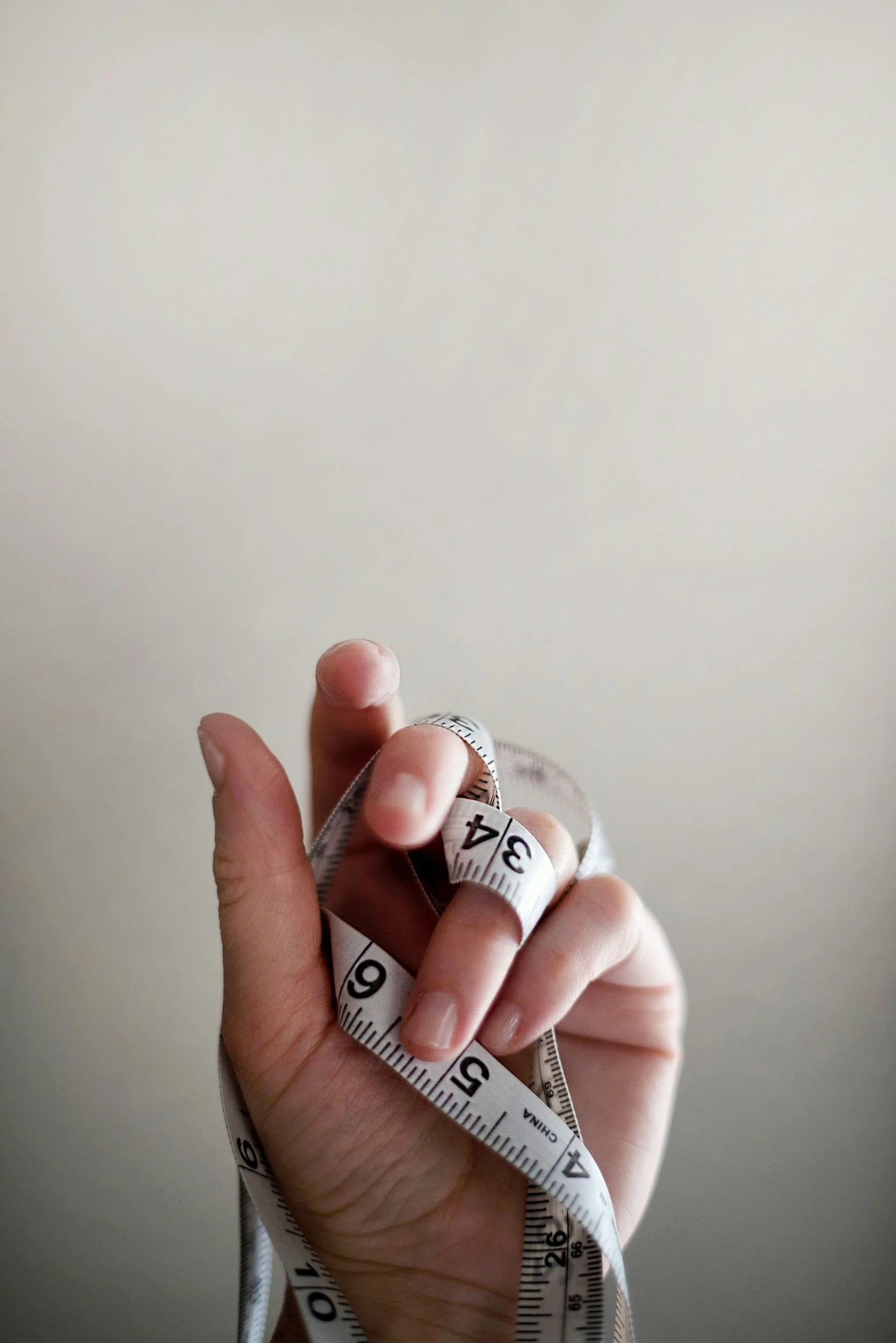
Disordered eating and body image struggles can affect every part of life.
Difficulties with food and body image are not just about food or appearance. They often impact your relationships, self-esteem, identity, and emotional well-being.
You may notice:
Constantly thinking about food, weight, or appearance
Feeling out of control around eating
Guilt, shame, or anxiety about meals
Difficulty trusting your body or hunger cues
Perfectionism or rigid rules around eating/exercise
Comparing yourself to others frequently
Low self-worth tied to appearance or productivity
These experiences can feel isolating, but they are also deeply understandable.
This is more common than you think, and it makes sense
"I think about food constantly" — it takes up so much mental space
"I feel guilty every time I eat something 'bad'"
"I hate my body after having a baby" — your body changed and you don't recognize yourself
"I restrict what I eat to feel in control"
"I eat when I'm stressed or anxious and then feel ashamed"
"I've never had a healthy relationship with food"
"I know my thoughts about my body aren't rational but I can't stop them"
"I compare my body to other women constantly"
"I don't think I have a full eating disorder but something feels off"
"I dread summer because of how I look"
Women are surrounded by messages about what their bodies should look like, what they should eat, and how much space they're allowed to take up. It's exhausting. For for many women, those messages get internalized so deeply that they just feel like truth.
Disordered eating and negative body image aren't about vanity or willpower. They're usually about something much deeper — anxiety, control, identity, or pain that needed somewhere to go. Therapy helps you get to the root of it.
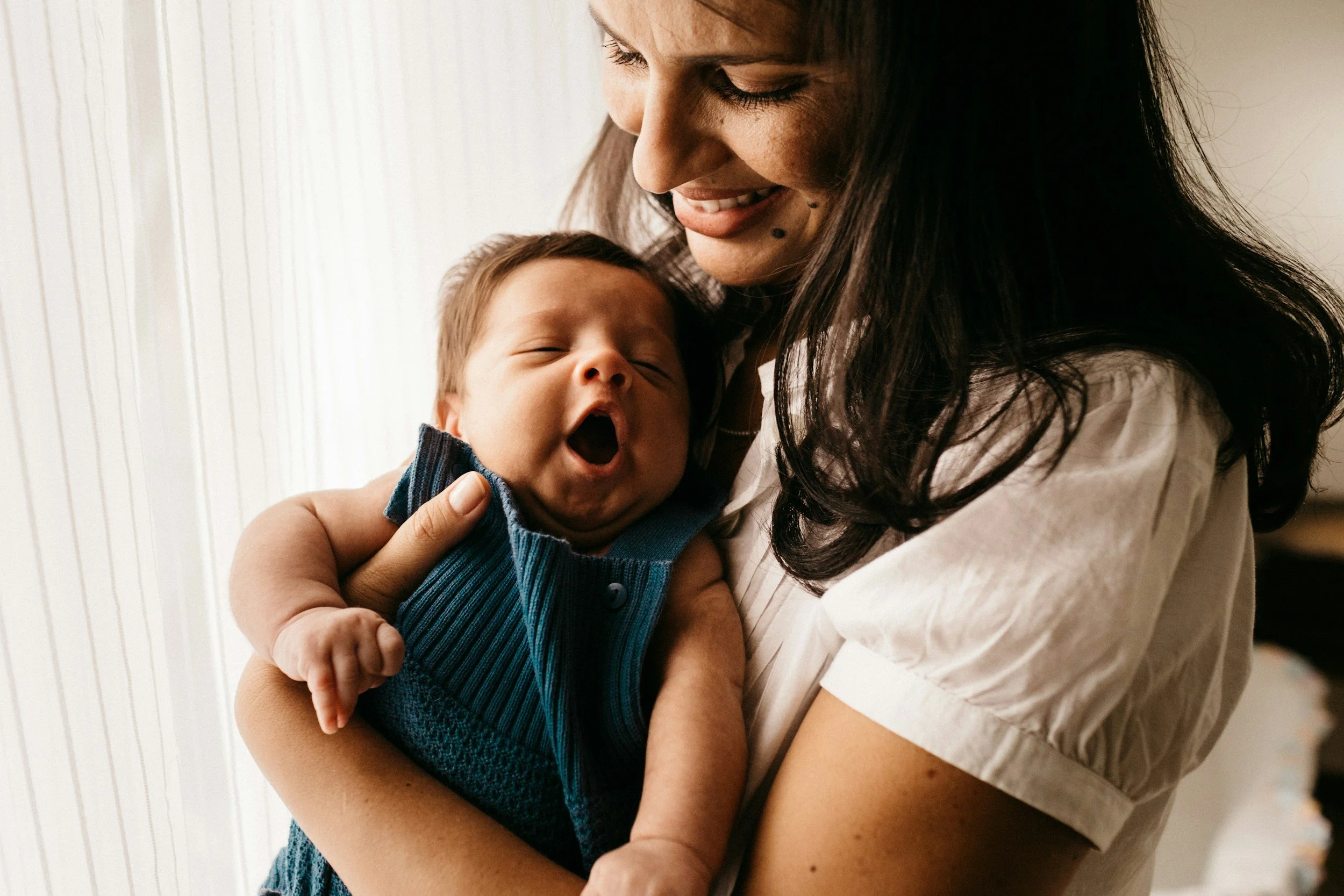
What Therapy for Body Image and Disordered Eating Looks Like
At Palmetto, we help help you understand the deeper patterns behind your relationship with food and your body.
In therapy, we may work on:
Understanding anxiety and intrusive thoughts
Reducing overthinking and mental spiraling
Learning how to tolerate uncertainty
Getting more comfortable with being “out of control”
Managing physical anxiety symptoms
Rebuilding trust in yourself and your decisions
Helping you spend more time in the present (instead of the future)
Creating more space for rest, connection, and fun
Our approach is compassionate, collaborative, and tailored to your unique experience. We know how vulnerable it can feel to talk about these thoughts and fears, and we also know how treatable postpartum anxiety is with the right support.
At the end of therapy, our clients often tell us that their anxiety has reduced, and then even when anxiety does pop up, they know how to catch it so it doesn’t get in the way of living their lives the way they want to. They tell us life feels fuller and more meaningful as a result.
FAQs about Postpartum Anxiety
-
Some level of worry is normal after having a baby. It’s a big transition, and everything is brand new - of course it feels like a lot!
But when the anxiety feels constant, overwhelming, difficult to control, or starts interfering with sleep, decision-making, relationships, or your ability to be present, postpartum anxiety may be part of what’s going on.
-
The postpartum brain is wired to protect your baby, so your mind naturally spends a lot of time thinking about their safety and well-being.
Postpartum anxiety often pulls people one step further into cycles of “what if” thinking that temporarily feel protective, but actually keep anxiety going.
Therapy can help you understand these patterns and learn how to step out of them.
-
Many women with postpartum anxiety feel physically exhausted but mentally unable to shut off. Your nervous system may still feel “on alert,” making it difficult to fully relax or fall asleep. Or maybe your mind is racing with worries and questions, and you end up Googling for answers instead of resting. Many women with postpartum anxiety feel physically exhausted but mentally unable to shut off. Your nervous system may still feel “on alert,” making it difficult to fully relax or fall asleep.
In therapy, we can help you learn new strategies to unwind and cope more effectively with your busy mind so you can get the rest you need.
-
Intrusive thoughts are extremely common in postpartum anxiety and postpartum OCD. These thoughts are unwanted, distressing, and often directly conflict with your values, which is why they feel so upsetting.
Having intrusive thoughts does not mean you want something bad to happen, and we can help you learn how to cope with them so they stop interfering with your enjoyment of this phase.
-
Checking behaviors (like nonstop monitor watching, tracking baby wearable data, or tiptoeing over to make sure the baby is still breathing) are often an attempt to reduce anxiety or create certainty - something we understandably crave in this unpredictable season!
While they may bring temporary relief, they usually keep the anxiety cycle going over time. We’ll help you explore how this shows up for you and learn tools to break the loop.
-
Postpartum anxiety doesn’t always look like panic or crying. For many moms, anxiety can show up as irritability, rage, feeling overstimulated, or snapping more easily than usual, especially when you’re mentally overloaded and constantly on edge.
Postpartum rage and irritability are often signals that something deeper needs support, like unmet needs, anxiety, or burnout.
We can help you get to the root so it stops interfering with your decisions and relationships.
-
When anxiety is high, your brain can start convincing you that you’re the only person who can prevent something bad from happening (or the only one who will do things “right.”)
This can make it incredibly hard to delegate, rest, or feel comfortable away from your baby.
We’ll help you take baby steps so that you can reclaim some of your freedom and rebuild some capacity.
-
No! Many postpartum moms cope with anxiety by trying to control routines, schedules, tracking, or caregiving details. Usually, this comes from fear rather than being “too controlling.”
That said, control efforts can start to interfere with life over time, and we specialize in helping moms let go of the need for control so that they can rebuild some flexibility and freedom.
-
So many capable, loving mothers have this thought, especially in moments of overwhelm. It’s often a reflection of how hard this transition is, not a reflection of your ability (or desire) to be a good parent.
-
Motherhood often comes with intense internal pressure to “do everything right.” That can lead to constant second-guessing and guilt, even when you’re doing more than enough. Learning how to relate differently to that guilt is a big part of the work we do in therapy.
-
It’s completely normal to feel excited and worried, especially about how having another baby will impact your relationship with your older children.
Therapy can help you process those fears, set realistic expectations, and feel more emotionally prepared for the transition.
Other questions? We got you!
Check out our FAQ or schedule a free consultation to chat live.
Our Team
-
![]()
Julia Birt, Psy.D.
Co-founder
-
![]()
Caroline Dickens, Psy.D.
Co-founder
-
![]()
Kayla Jimenez, Psy.D.
Co-founder
-
![]()
Megan Turner-Cabrera, Psy.D.
Licensed clinical psychologist
-
![]()
Joanna Chen, Ph.D.
Licensed clinical psychologist
-
![]()
Kelly Showen, Psy.D.
Licensed clinical psychologist
-
![]()
Meghan Goulet, Psy.D.
Licensed clinical psychologist
-
![]()
Meghan Brown
Student therapist
-
![]()
Kaety Kohlhorst
Student therapist
-
![]()
Khyati Talwar
Student therapist
-
![]()
Anni Liu
Clinic assistant







You Don’t Have to Keep Living in Survival Mode
If your mind constantly feels “on,” if you’re exhausted from overthinking everything, or if anxiety is stealing your ability to enjoy this season of life, you are not alone.
We offer online postpartum anxiety therapy across California, including San Francisco, the Bay Area, Los Angeles, Orange County, and San Diego.
You don’t have to wait until things feel “bad enough” to get support.
Start with a free consultation to find the right therapist for you